The AI J-Curve: Why Your AI Investment Will Lose Money Before It Scales
The AI J-Curve: Why Your AI Investment Will Lose Money Before It Scales
Apr 26, 2026

We are currently operating in a business environment characterized by a massive gap between theoretical AI ambition and actual executive readiness. Across boardrooms globally, C-suite executives and pragmatic sponsors are asking a unified, critical question: Why isn't our artificial intelligence investment moving the P&L?
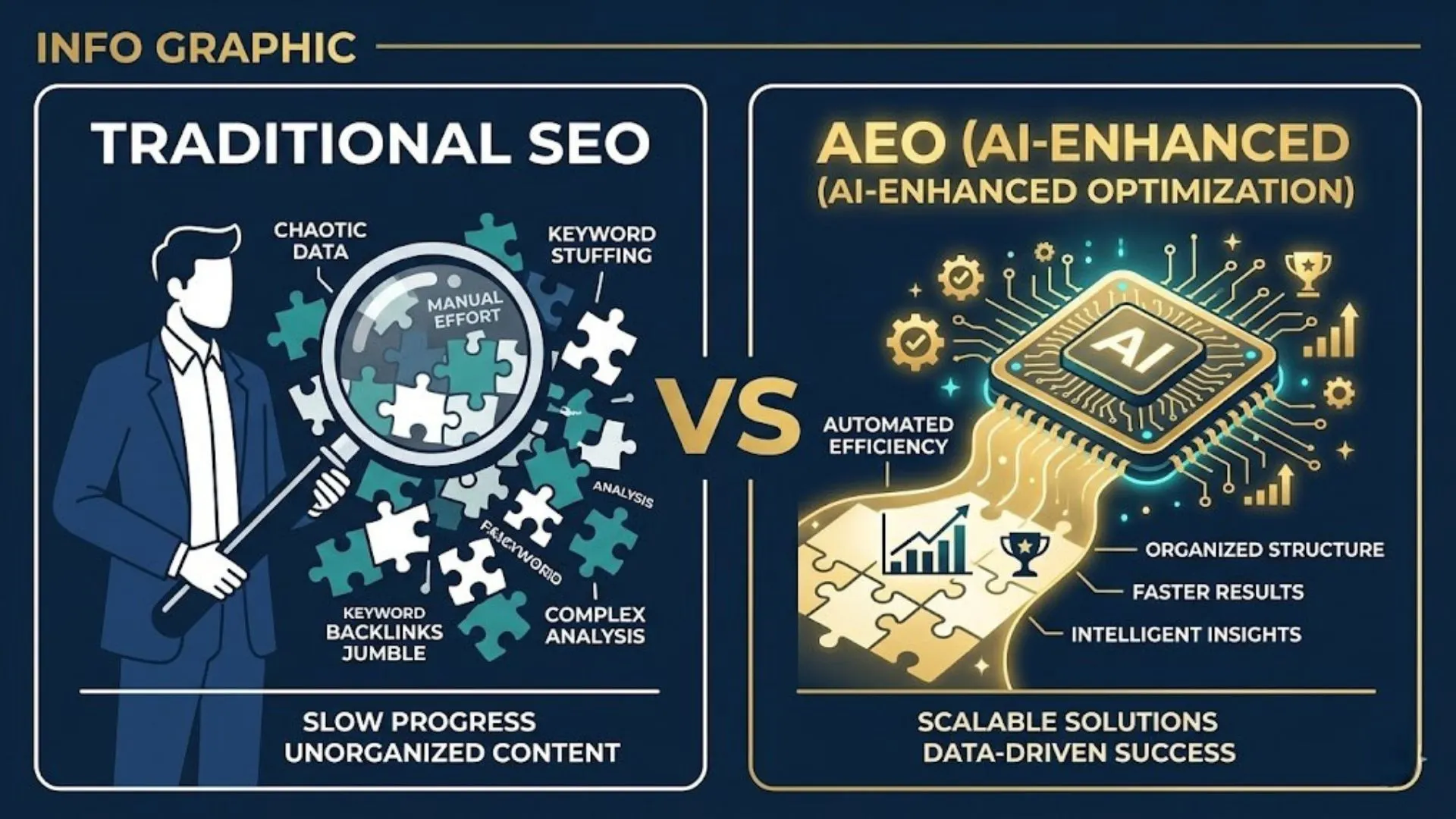
The statistics are sobering. Currently, 78% of enterprises have active AI pilots running, yet a staggering 56% report absolutely no financial impact from these broad organizational adoptions. Only 14% have successfully scaled these pilots into production. The enterprise is trapped in "pilot purgatory"—layering generic AI tools onto legacy processes without fundamentally reimagining how work is executed. If every enterprise possesses the exact same generic AI capabilities, competitive advantage can no longer be derived simply from having access to the technology.
To turn AI from a commoditized expense into a proprietary, defensible corporate moat, leadership must understand the financial trajectory of implementation. This begins with acknowledging the AI J-Curve.
Decoding the AI J-Curve
In private equity and venture capital, the J-Curve represents the initial loss of capital followed by a steep, exponential gain. In the context of enterprise AI integration, this curve is profound and often deeply uncomfortable for P&L-focused leaders.
When you initially deploy AI, your investment will almost certainly lose money before it scales. This initial dip—the trough of the J-Curve—is driven by three core factors:
- Capital Expenditure vs. Immediate Output: Upfront investments in infrastructure, software licensing, and specialized talent happen immediately, while workflow efficiencies take months to materialize.
- Pilot Fatigue: Resources are drained by running dozens of disjointed, highly technical sandbox experiments that lack cross-departmental alignment or a clear path to production.
- Cultural Debt: Forcing new technology onto an anxious workforce without structured change management leads to resistance, operational friction, and a temporary drop in productivity.
For the pragmatic executive, patience for purely experimental technology initiatives is understandably wearing thin. Achieving double-digit Earnings Per Share (EPS) growth and driving revenue per worker up by 3x requires shortening this trough. To do that, you must gain aggressive, transparent control over your underlying costs.
Unmasking the AI Total Cost of Ownership (TCO)
The fastest way to fail at enterprise AI is to calculate your budget based solely on software licensing or initial API access. The reality of the ai total cost of ownership is far more complex, requiring rigorous financial acumen and a holistic view of enterprise architecture.
When calculating the true TCO of artificial intelligence, executives must account for hidden and scaling costs that rapidly erode margin expansion:
- Compute and API Scaling: AI is computationally heavy. As your adoption scales from 10 users to 1,000+ employees, API calls, token usage, and cloud compute costs scale exponentially. Without tight governance, a successful internal AI tool can quickly become a financial liability.
- The Buy vs. Build Architecture Dilemma: Do you build custom, fine-tuned models to protect proprietary data, or do you buy off-the-shelf solutions for speed to market? Building requires massive upfront capital for data engineering and talent. Buying limits your defensible moat and exposes you to vendor lock-in.
- Data Readiness and Integration: AI is only as effective as the data it processes. The cost of cleaning, structuring, and migrating siloed enterprise data to make it "AI-ready" frequently eclipses the cost of the AI models themselves.
- Governance and Regulatory Compliance: With shifting global regulations, such as the impending enforcement of the EU AI Act, TCO must include the legal and technical frameworks required to monitor algorithmic bias, ensure data privacy, and maintain ethical governance at scale.
Understanding your ai total cost of ownership is the first step out of pilot purgatory. The second step is ruthlessly managing the portfolio of projects you allow to continue.
Defunding Failure: Establishing AI "Kill Criteria"
The modern enterprise cannot afford disjointed innovation. To drive actual economic value, executives must mandate structured, disciplined portfolio management. This means shifting the focus from "How many AI projects do we have?" to "What is the specific unit economics report demonstrating P&L impact per dollar of investment?"
To survive the J-Curve, leadership must establish a rigorous AI Portfolio Matrix complete with documented "kill criteria." You must be willing to ruthlessly defund failing or low-ROI projects.
Establishing Your Kill Criteria:
- Lack of Clear P&L Impact: If a pilot cannot demonstrate a projected path to margin expansion, operational cost reduction, or direct revenue generation within 90 days, it is killed.
- Failure to Scale: If a solution works perfectly for a siloed technical team of five but cannot be integrated into the broader enterprise operating infrastructure without breaking compliance or budget, it is killed.
- Redundancy of Effort: If multiple departments are funding parallel AI initiatives to solve identical workflow bottlenecks, consolidate them immediately.
We need to stop treating AI as a vanity project to satisfy shareholder pressure. By instituting dedicated executive leadership—such as a Chief AI Officer or AI Strategy Leader—organizations can bridge the gap between technical excitement and board-level financial requirements. This leadership must flatten organizational structures, forcing cross-functional orchestration and ensuring that only the most viable, scalable solutions survive the sandbox.
Flattening the Curve: Structured Strategy Over Generic Tools
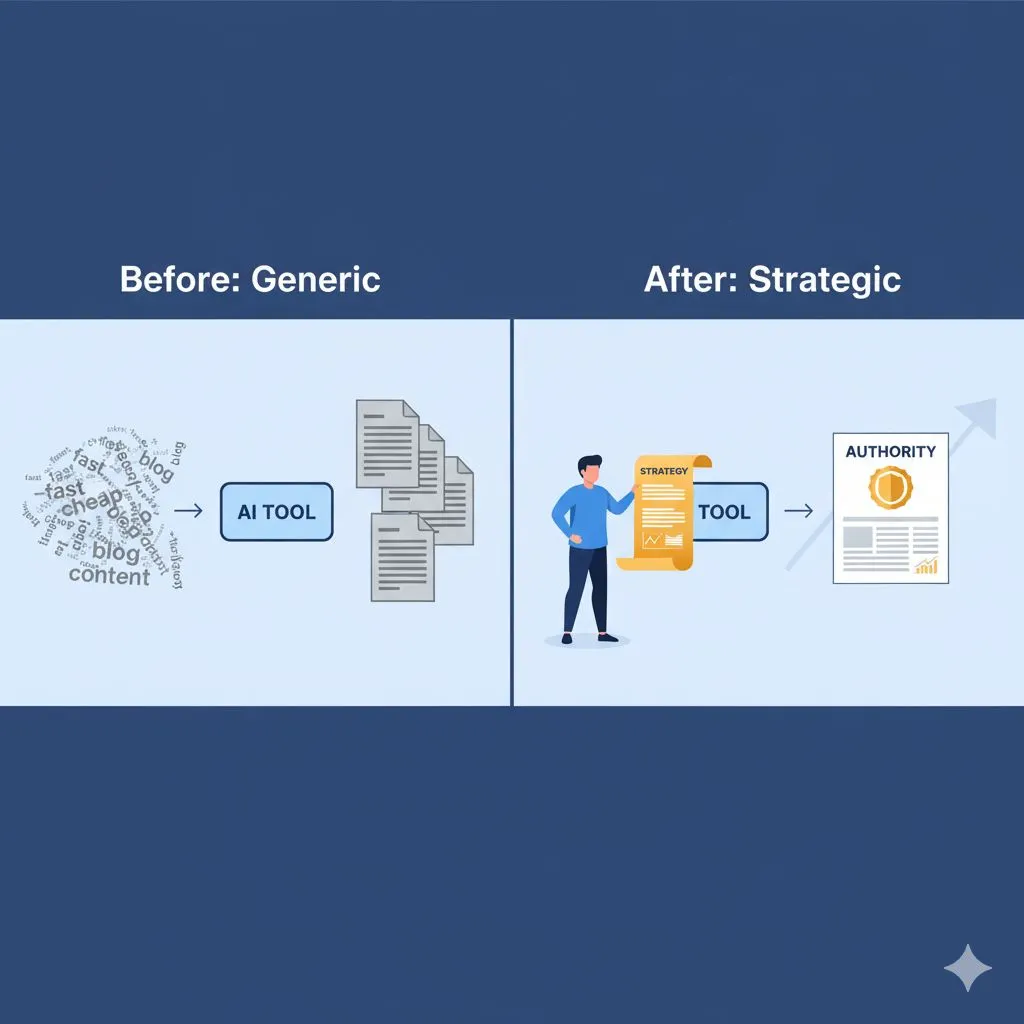
If your strategy relies on handing employees generic AI chatbots and hoping they figure out how to drive efficiency, you are unnecessarily prolonging the J-Curve. The key to accelerating past the initial losses and reaching exponential scalability lies in providing structured, expert-level frameworks.
This is where the concept of standardizing your AI inputs becomes a powerful business lever. Instead of relying on trial and error, businesses must deploy proven, industry-specific strategies. By utilizing pre-built, expertly engineered prompts and workflows, organizations can bypass the steepest parts of the learning curve.
- Immediate Time Savings: Standardized AI frameworks eliminate the manual, repetitive work of prompt engineering across your workforce, reclaiming thousands of hours instantly.
- Higher-Quality Outputs: Structured inputs guarantee that outputs are polished, professional, and aligned with your brand's authority, rather than generating generic, Hallucination-prone content.
- Streamlined Workflows: By giving your team exact operational blueprints, you break through bottlenecks. AI stops being a standalone tool and becomes a seamless part of the execution pipeline.
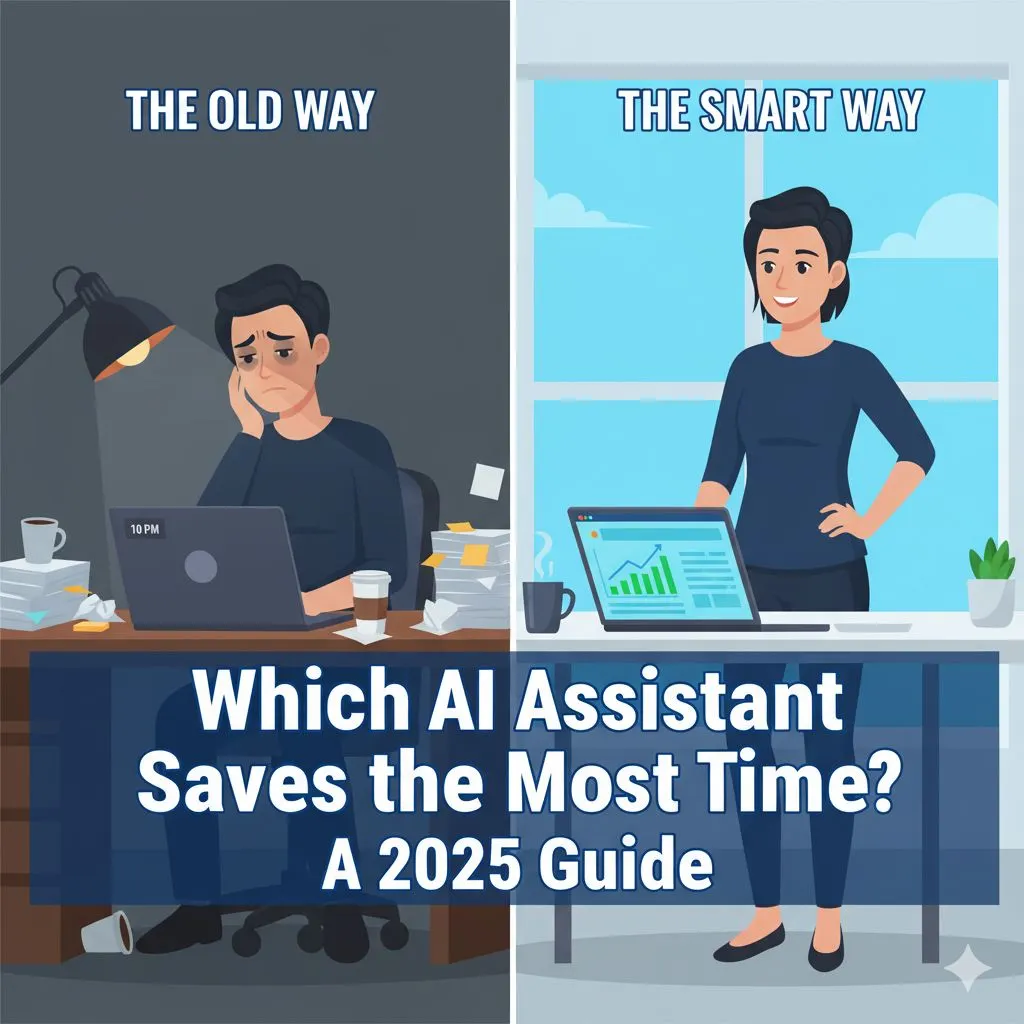
Whether you are a C-suite executive managing a massive corporate transformation or an ambitious business leader looking to operate with enterprise-level efficiency, the goal remains the same: transition from overworked operations to confident, strategic scaling.
Conclusion: From Pilot Purgatory to Scalable Margin Expansion
Navigating the AI J-Curve requires more than just capital; it requires a fundamental shift in mindset. You must view AI not as an emergent novelty, but as the core operating infrastructure of your future business. By mastering your ai total cost of ownership, ruthlessly applying kill criteria to failing pilots, and empowering your workforce with structured, expert-level AI tools, you can ensure your investment translates directly into measurable financial returns.
Stop hustling through unstructured AI experimentation and start scaling with strategic intent.
Ready to stop spinning your wheels and see exactly how AI can move your bottom line? Calculate your potential savings and map your path to profitability today: https://expertaiprompts.com/ai-roi-calculator-for-small-business