The Modern Job Search: Beating the ATS with Strategic AI Prompts
The Modern Job Search: Beating the ATS with Strategic AI Prompts
Apr 05, 2026

Introduction: The Double Disruption in the Modern Career
If you have spent over a decade building a robust, credentialed career inside the corporate system, you are likely feeling the tremors of a double disruption. First, the traditional labor market has fundamentally changed. The days of linear career ladders have been replaced by the need for portfolio careers, parallel income streams, and independent consulting. Second, artificial intelligence has arrived, fundamentally altering how value is measured, how work is produced, and how hiring decisions are made.
You are not alone if you find yourself quietly planning an exit strategy, recovering from a corporate restructure, or attempting to build a micro-agency on evenings and weekends. You know your industry. You possess deep domain expertise. Yet, when it comes to packaging yourself for the open market, you face a frustrating bottleneck. Your challenge is not a lack of competence; it is a lack of translation.
You need to know how to use ai for job search and career pivoting—not as a gimmick to cheat the system, but as a strategic force multiplier. You need a tool that acts as a founding team member, helping you translate years of complex experience into a compelling narrative that decision-makers instantly understand.
This Ultimate Guide is designed for the strategic career pivoter. We will explore how to bypass the algorithmic gatekeepers, leverage AI to bridge your visibility gap, and transition from an underutilized employee to an indispensable strategist.
Section 1: The Gatekeeper—Understanding the ATS and the "Visibility Gap"
When highly experienced professionals enter the modern job market or attempt to secure consulting contracts, they frequently encounter an invisible wall: the Applicant Tracking System (ATS).
An ATS is designed for efficiency, scanning thousands of resumes to find exact keyword matches and structural compliance. It does not understand nuance. It does not care that you single-handedly saved your last company from a logistics crisis if you do not use the exact phrasing the hiring manager programmed into the software. For a professional with 15 years of nuanced, multifaceted corporate experience, this is disastrous. Your deep expertise gets lost in translation, creating a massive "Visibility Gap."
This gap is compounded by a psychological hurdle. Many mid-to-senior professionals suffer from the "Confidence Gap" because they tie their entire professional identity to their previous job titles rather than their underlying, transferable skill sets. When your title is suddenly stripped away by redundancy, or when you are trying to pivot from "Director of Operations" to "Independent Efficiency Consultant," the blank page is paralyzing. You end up underselling yourself catastrophically.
Generic resumes fail the modern algorithmic screening process because they are passive historical documents. They list what you did instead of the strategic value you create. To beat the ATS and catch the eye of a human decision-maker, your resume must be a forward-looking proposal. It must immediately address the specific pain points of the target company or client.
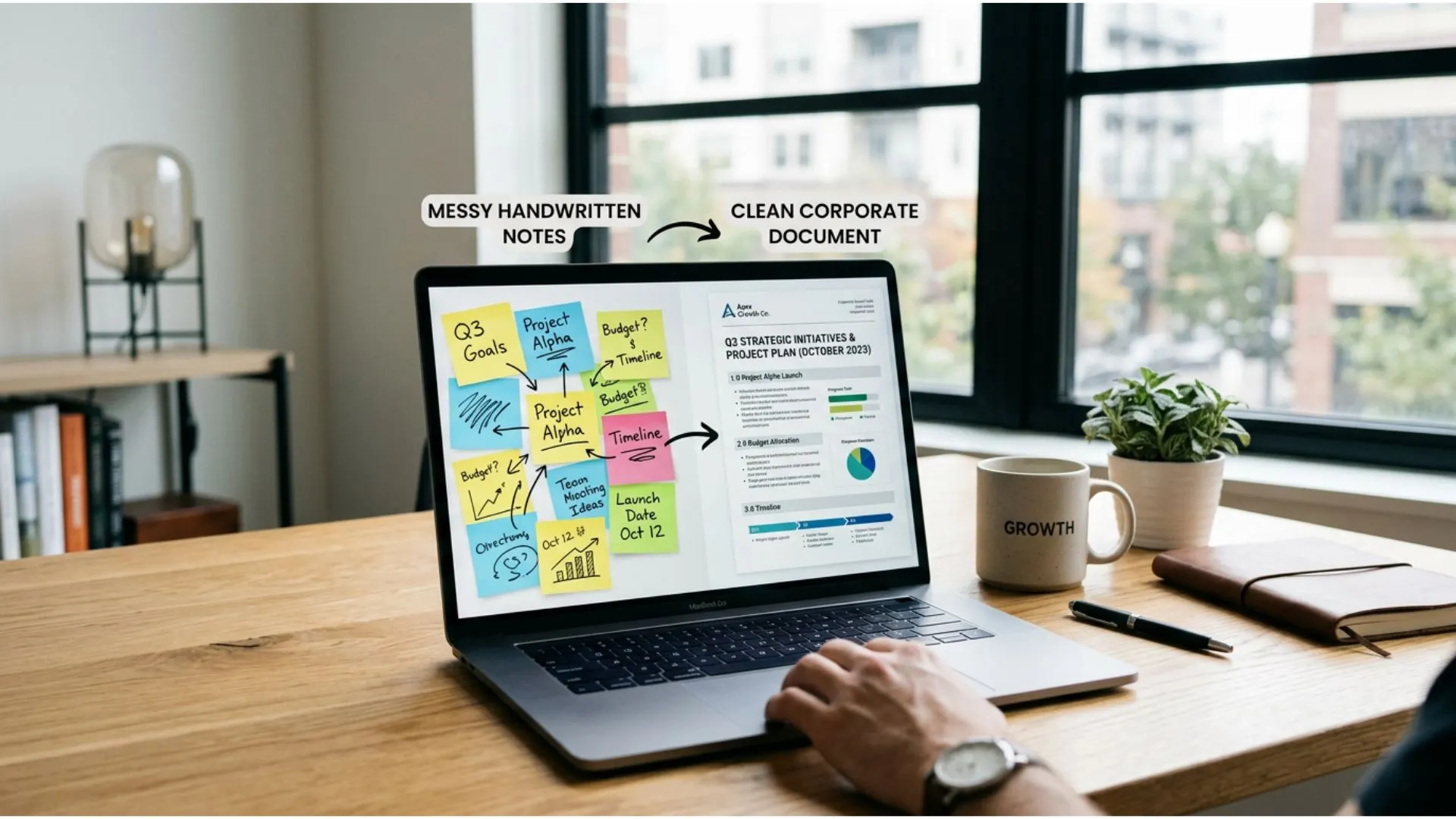
This is where the traditional job search breaks down for time-poor professionals. Rewriting a highly targeted, ATS-optimized resume for every single application or client pitch takes hours—time you simply do not have if you are juggling a full-time role while building a side gig. You need a better way to make your work visible to decision-makers so you get credited for the strategic value you are already capable of delivering.
Section 2: AI as Your Executive Translation Engine
The most common objection highly credentialed professionals have regarding AI is a fear of commoditization. “How do I use AI to turn 15 years of corporate experience into a consulting brand without sounding like I'm still an employee? And won't AI just make me sound like a robot?”
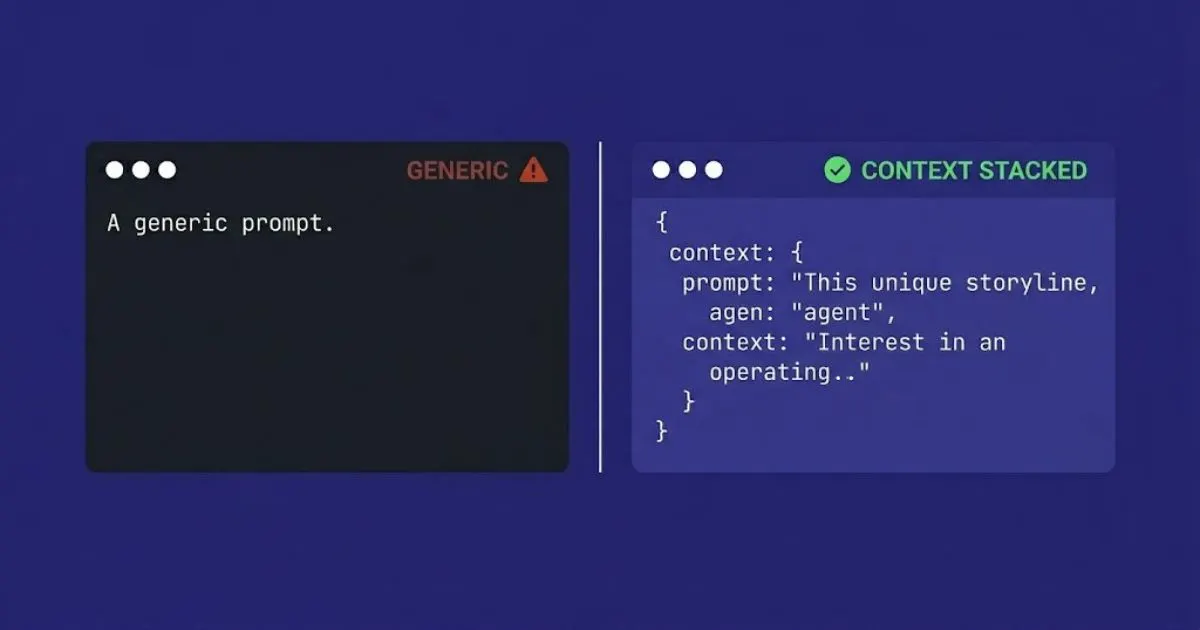
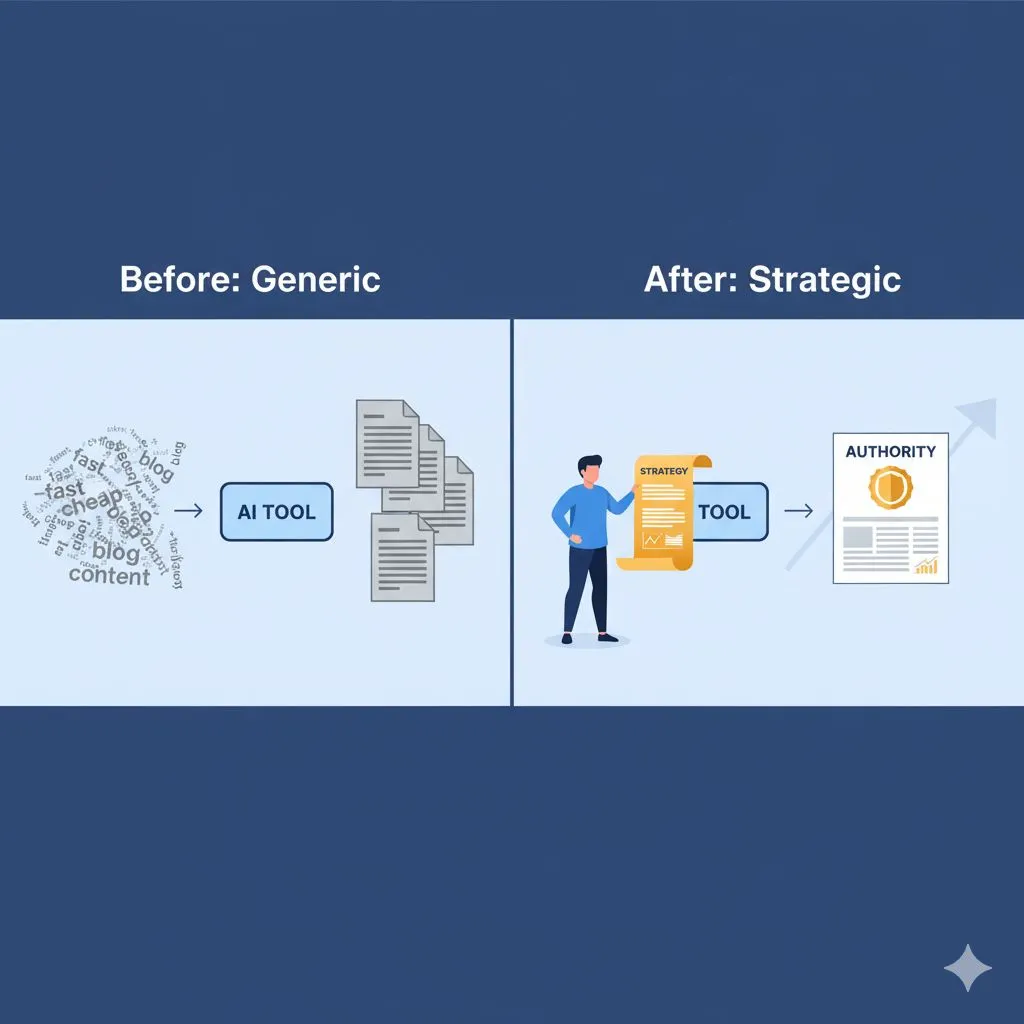
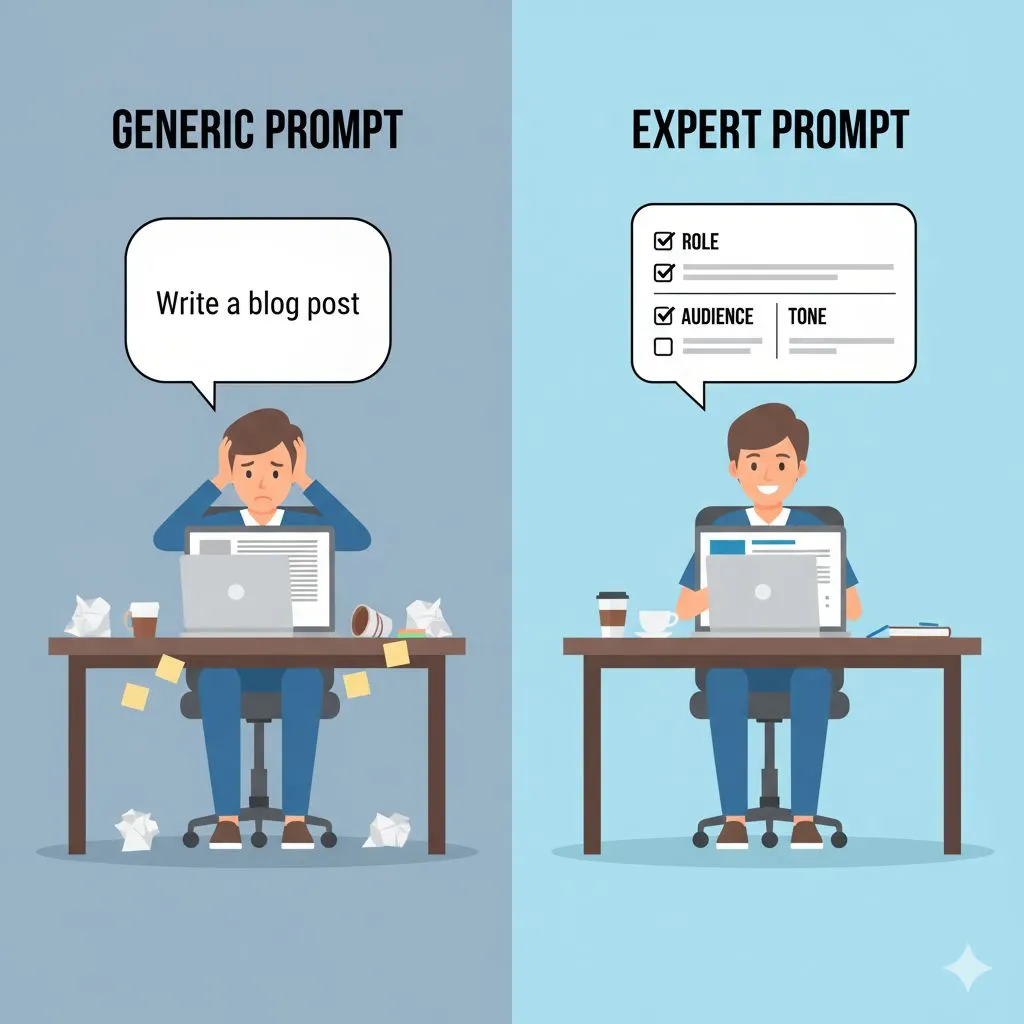
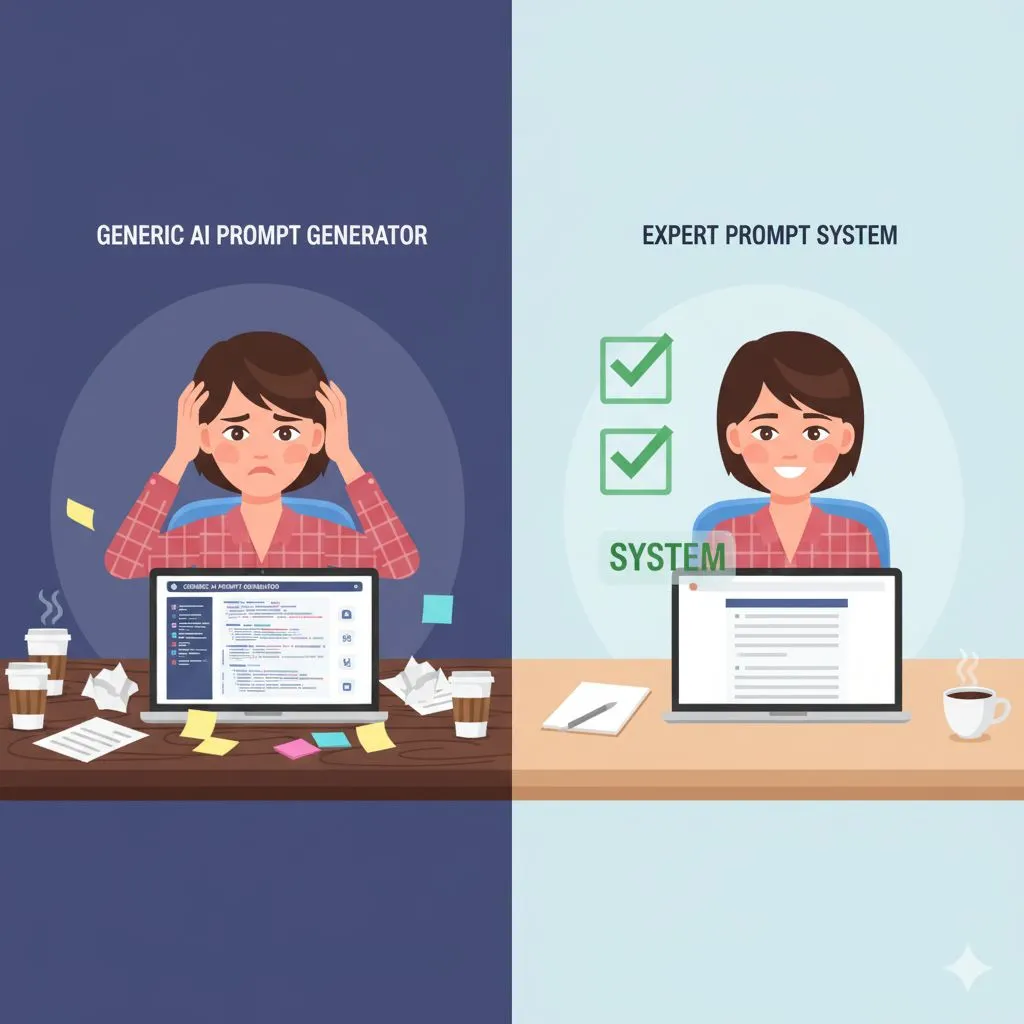
These are valid concerns if you are using generic AI tools with basic, single-sentence prompts. If you ask a standard AI model to "write a resume for a marketing manager," you will receive a generic, uninspired document that will be immediately flagged as synthetic and ignored by both the ATS and the hiring manager.
To win in the modern job search, you must shift your mindset. AI is not a magic button that does your thinking for you; it is an executive translation engine.
Think of frameworks like Richard Bolles’ Parachute Flower exercise, which helps individuals identify their transferable skills, preferred working environments, and core values. You already have the raw data—the "petals" of your flower. Your technical capabilities are strong. Your goal is to use AI to translate that raw data into the specific language of a new sector, a higher job grade, or an independent consulting pitch.
Achieving AI Fluency
Evolving your role to incorporate AI fluency makes you more valuable, rather than replaceable. When you use strategic, expertly engineered prompts, you command the AI to analyze your career history and restructure it against the specific requirements of a target role.
For example, an expert-level prompt does not just ask the AI to rewrite a bullet point. It instructs the AI to:
- Adopt a specific persona: (e.g., "Act as an executive recruiter specializing in B2B SaaS transitions.")
- Analyze the target: (e.g., "Analyze this job description for the top 5 mandatory skills and core pain points.")
- Translate the experience: (e.g., "Map my attached achievements to these pain points, quantifying the results and prioritizing strategic leadership over operational tasks.")
By utilizing AI in this manner, you solve the translation problem. You bridge the Offer Gap by articulating your personal value proposition in a way that makes hiring managers in a new sector immediately see your worth. You stop looking like someone trying to figure it out, and you start looking like a professional who has been operating at this high level for years.
Section 3: Strategic Prompting for Resumes and Authority Positioning
There is a vast difference between a copy-and-paste template and a strategic, industry-specific prompt. Templates force you to fit your unique, 15-year career into a pre-determined box. Strategic prompts, however, are dynamic. They mold the output around your specific context, ensuring your brand perception is elevated and your professional credibility is bulletproof.
Beating the ATS with Precision
To navigate the ATS successfully using ai for job search, your prompts must focus on keyword integration without sacrificing human readability. A strategic prompt workflow looks like this:
- The Extraction Prompt: You feed the AI three job descriptions of roles you want. You prompt it to extract the recurring hard skills, soft skills, and specific industry terminology.
- The Alignment Prompt: You provide the AI with your master "brag file" (a messy brain-dump of everything you have achieved). You prompt it to align your achievements with the extracted keywords, utilizing the STAR method (Situation, Task, Action, Result).
- The Polish Prompt: You instruct the AI to refine the tone to match an executive level, ensuring active verbs are used and all metrics are front-loaded.
This structured, ROI-driven toolkit directly benefits time-poor entrepreneurs and career pivoters. You achieve in 15 minutes what used to take four hours of agonizing over a blank Word document.
Reframing Your LinkedIn for Authority
Your resume gets you past the ATS, but your LinkedIn profile is what seals the deal with the human decision-maker or your new consulting client. It is the core of your professional visibility.
When transitioning into independent consulting or a senior role, your LinkedIn must not read like a historical log of your employment. It must act as a high-converting landing page. You want to look like you have been freelancing or leading at this level for five years, even if you are just starting out.
Strategic AI prompts can rewrite your LinkedIn headline from a boring title (e.g., "Financial Controller at Corp Inc.") to a value-driven hook (e.g., "Fractional CFO | Helping Scaling SaaS Startups Optimize Cash Flow & Secure Series B Funding").
Furthermore, you can use AI to generate a launch content strategy. By feeding the AI your core beliefs about your industry, it can draft a month's worth of authority-building posts. You remain the author of the ideas; the AI simply handles the heavy lifting of formatting, copywriting, and structuring the hooks. This allows you to rapidly rebuild professional visibility without becoming a full-time content machine.
Section 4: The 2-Hour AI Workflow for the Time-Poor Professional
The single most important thing holding back the mid-to-senior professional from launching their parallel income stream or securing their dream pivot is time. If you are working a demanding full-time job, you realistically only have 8 to 12 hours a week to invest in your transition.
You cannot afford to spend 10 of those hours writing proposals, tweaking your CV, or drafting a landing page. You need operational bottlenecks removed. You need AI-powered workflows that run in under two hours, making your side gig look like a full-time, polished business.
The 120-Minute Leverage Loop:
- Minute 0-30: Asset Generation. Use an industry-specific prompt pack to instantly generate a tailored resume for a new application, or a customized proposal for a consulting lead, based on your master career file.
- Minute 30-60: Platform Updates. Run your customized prompt to update your LinkedIn About section and generate three piece of authority content to post over the coming week.
- Minute 60-90: Client/Network Outreach. Generate highly personalized networking messages or cold outreach emails. A strategic prompt can analyze a target executive’s recent posts and draft an outreach message that offers immediate, genuine value rather than asking for a favor.
- Minute 90-120: Strategic Review. You spend the final 30 minutes doing what humans do best: reviewing, refining, editing, and deploying the assets.
With this workflow, you manage multiple income streams seamlessly. You package your deep domain expertise into scalable revenue, avoiding burnout while operating at the output capacity of a small agency. You stop hustling and start scaling.
Conclusion: From System Employee to Indispensable Strategist
The modern job search and the transition into independent consulting are no longer about who can hustle the hardest; they are about who can leverage the best tools.
You have spent your entire career inside a system, accumulating immense value, credentials, and expertise. Do not let an algorithmic gatekeeper or a lack of time prevent you from stepping into your next chapter. By adopting AI as your translation engine, you bypass the visibility gap, overcome the confidence gap, and articulate your exact worth to the market.
You don't need to learn how to build everything from scratch, and you don't need to fear AI replacing you. By mastering strategic prompts, you transform from an overworked operator into a confident strategist. You reclaim your time, elevate your brand, and guarantee your competitive advantage in a rapidly shifting economy.
Stop spinning your wheels with generic AI outputs and blank-page anxiety. It is time to upgrade your workflow and unlock the expert-level assets you deserve.
Scale Smarter. Grow Faster. Begin Here: https://expertaiprompts.com/sales-page-the-smart-resume-prompt-book