AI for Beginners: 5 Steps to Start Using Artificial Intelligence Today
AI for Beginners: 5 Steps to Start Using Artificial Intelligence Today
Jan 27, 2026

If you are like most small business owners, your to-do list is a mile long, and your patience is wearing thin. You are juggling client delivery, marketing, emails, and business development, often all before lunch. You hear the noise about Artificial Intelligence (AI) everywhere you turn—LinkedIn, the news, your local Chamber of Commerce mixer—but frankly, who has the time to figure it out?
You might worry that AI is just another hype cycle, or worse, something that requires a computer science degree to understand. But here is the truth: AI isn't coming to replace you. It is coming to give you your life back.
For entrepreneurs like you—ambitious but overextended—AI is the great equalizer. It allows a team of two to compete with a team of twenty. It transforms you from an exhausted operator frantically spinning plates into a strategic director. This guide is not about complex coding or futuristic theory. It is a practical, no-jargon roadmap designed to help you stop hustling and start scaling.
Here are the five steps to start using AI for beginners today. If you want the full strategic overview first, explore our no-jargon guide to AI for entrepreneurs.
Step 1: Audit Your Workflow (Finding the Bottlenecks)
Before you sign up for a single tool or write a single prompt, you need to look at your calendar. The biggest mistake entrepreneurs make with AI is trying to use it for everything at once. That is a recipe for frustration. Instead, you need to identify where you are bleeding time.
The Repetition Trap
Think about your typical week. How many tasks do you repeat? How many emails do you write that say essentially the same thing? How many hours do you spend staring at a blank cursor, trying to write a blog post or a social media caption?
AI thrives on repetition and drafting. It struggles with high-level strategy and deep human connection. Your goal is to offload the former so you can focus on the latter.
The 10-Minute Time Audit
Grab a piece of paper and draw a line down the middle.
- Left Column (The "Me" Zone): Tasks that require your unique voice, face-to-face client meetings, high-level strategy, and final decision-making.
- Right Column (The "AI" Zone): Drafting emails, brainstorming content ideas, summarizing meeting notes, resizing images, researching competitors, and formatting documents.
If you are honest with yourself, you will likely find that 40% to 60% of your week falls into the Right Column. These are your bottlenecks. These are the tasks that keep you working late into the night. And these are exactly the tasks we are going to automate. Use our AI implementation checklist for small businesses to map your bottlenecks before choosing a single tool.
Step 2: Select Your Toolset (Keep It Simple)
Once you realize how much work you can offload, the temptation is to sign up for every "revolutionary" new AI tool that pops up in your social media feed.
Don’t do it.
"Shiny Object Syndrome" is the enemy of execution. As a small business owner, you need reliability, not novelty. You don’t need a complicated tech stack; you need a digital intern that shows up to work every day.
Stick to the "Big Two"
To get started, you really only need one or two core tools.
For Text & Strategy (The Brains):
Start with ChatGPT (OpenAI), Google Gemini or Claude (Anthropic). These are Large Language Models (LLMs). Think of them as incredibly well-read assistants. You can talk to them in plain English, and they can write copy, analyze data, create schedules, and brainstorm ideas.
- Pro Tip: The paid versions (usually around $20/month) are significantly smarter and faster than the free versions. If this tool saves you even one hour a month, it has paid for itself.
For Visuals (The Designer):
If you create content for social media, tools like Midjourney (for high-end art) or Canva’s Magic Studio (for graphic design integration) are essential. Canva is particularly good for beginners because it integrates AI directly into the design interface you might already be familiar with.
The "One-Tool" Rule
Commit to learning one tool well before adding another. If you choose ChatGPT, spend two weeks using it for everything from writing emails to outlining business plans. Mastery of one tool yields a higher ROI than mediocrity in ten. For a vetted comparison of the best AI tools for business in 2026, see our complete toolkit guide.
Step 3: Master the Prompt (The Secret Sauce)
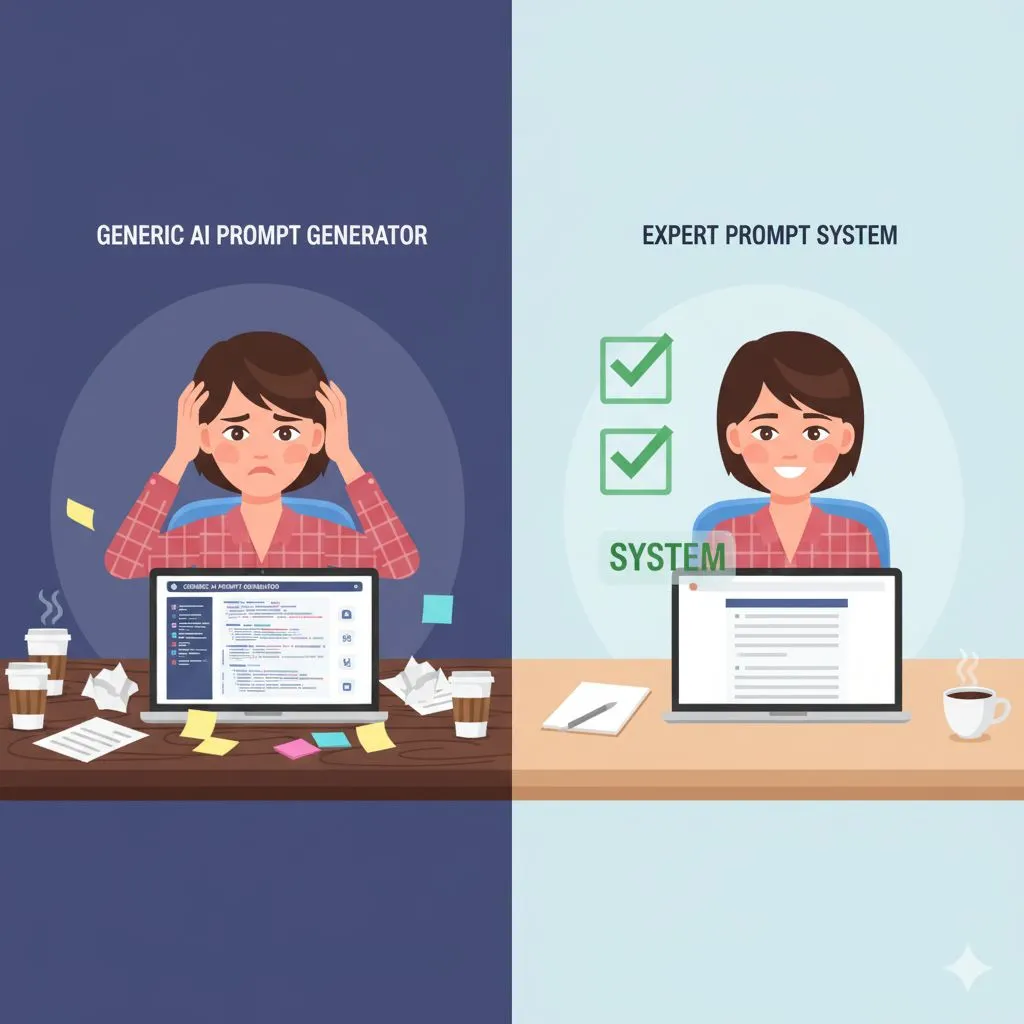
This is the most critical step in the entire process. If you have ever tried AI and thought, "This content is generic garbage," the problem likely wasn't the AI—it was the prompt.
In the world of AI, the prompt is the instruction you give the software.
If you treat AI like a search engine, you will get Wikipedia-style answers. If you treat it like a junior employee who needs guidance, you will get expert-level results. This concept is often called "Prompt Engineering," but let’s just call it clear communication.
The "Garbage In, Garbage Out" Rule
Imagine you have a highly capable intern named Steve.
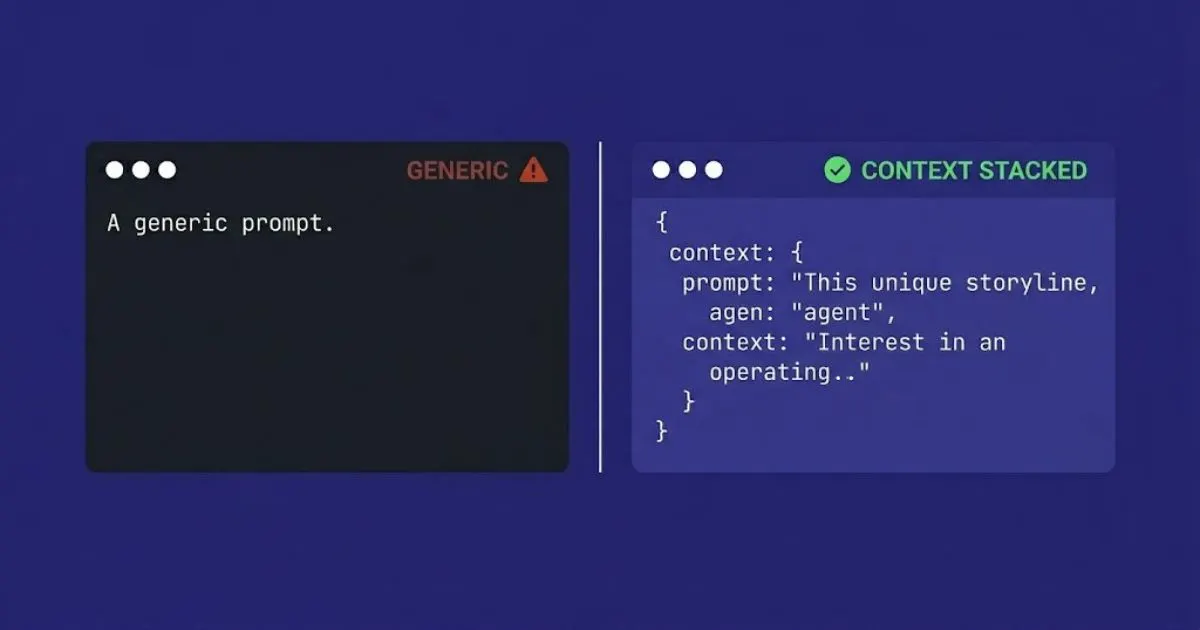
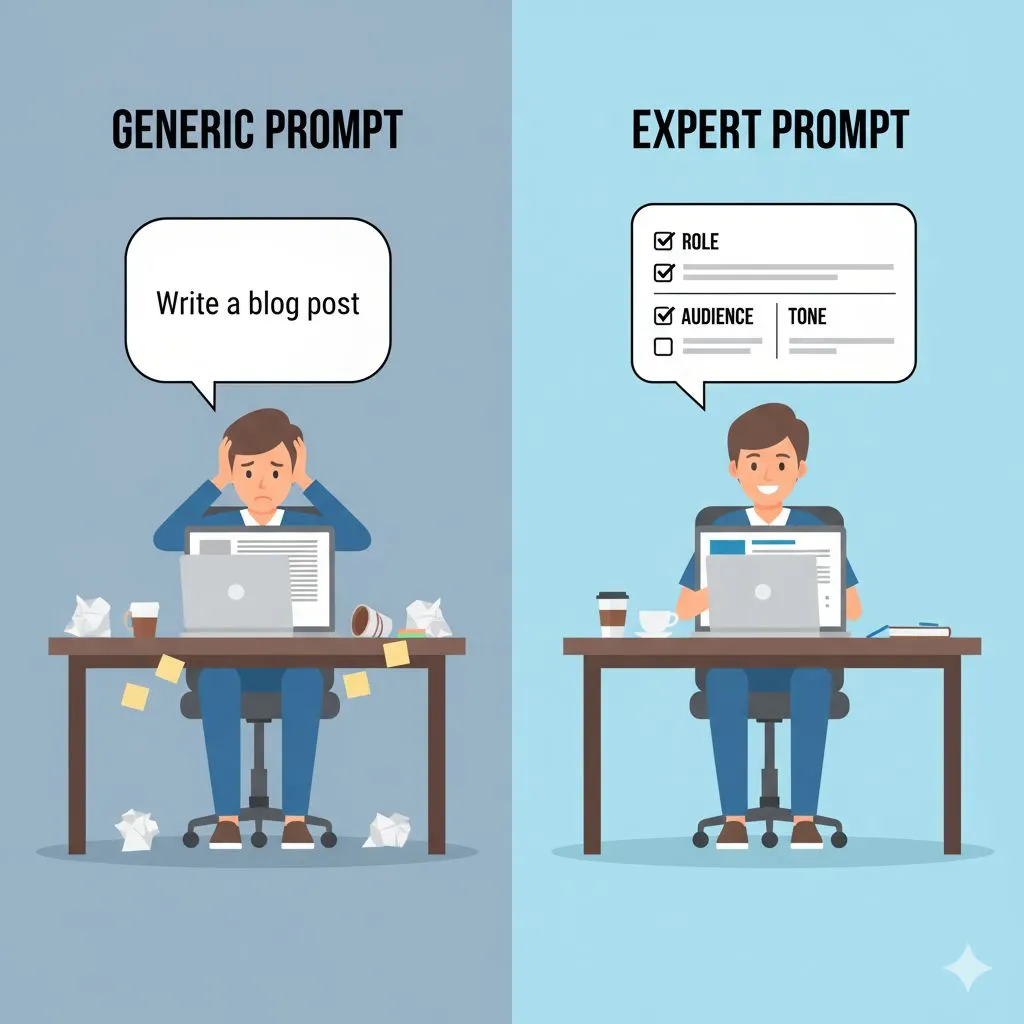
- Bad Instruction: "Steve, write a post about marketing."
- Result: Steve writes a boring, generic paragraph that sounds like a textbook.
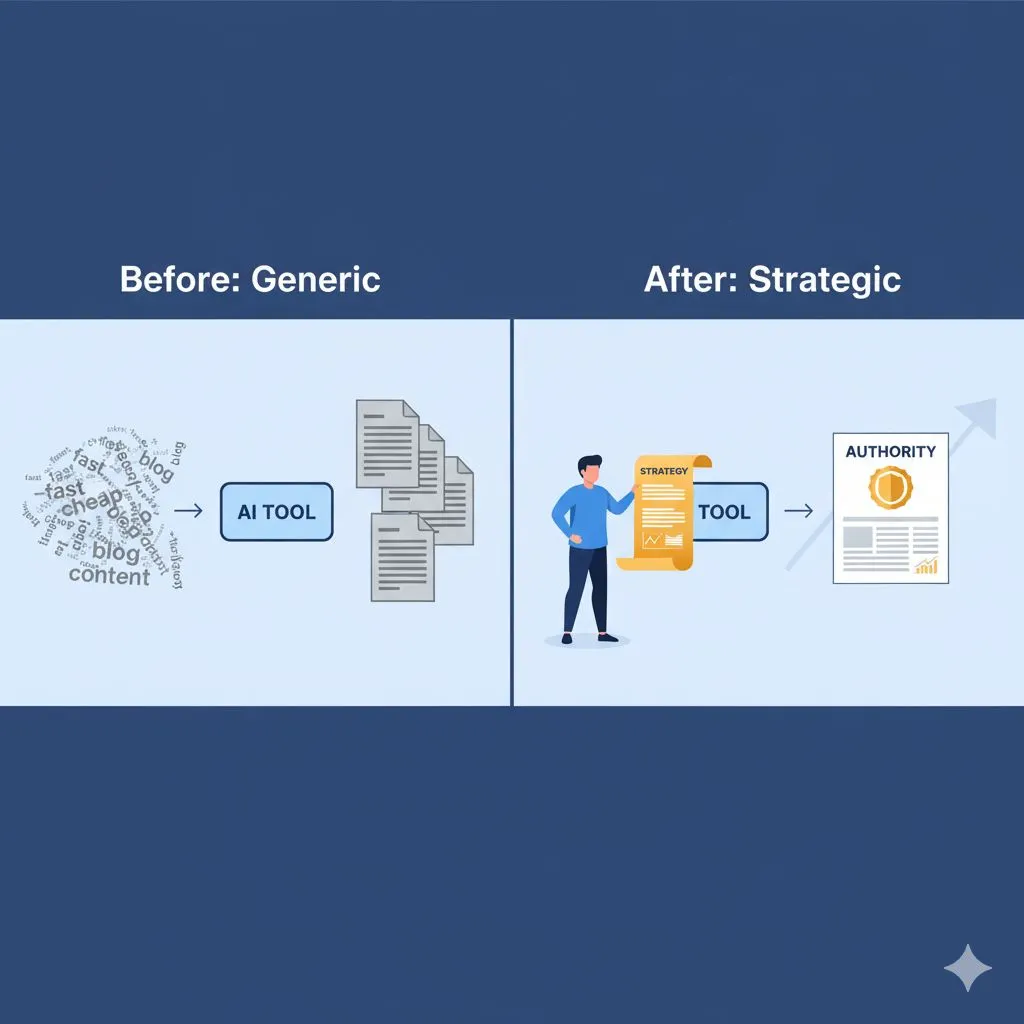
- Good Instruction: "Steve, act as a veteran digital marketer. Write a LinkedIn post targeting small business owners. The topic is 'Why email marketing isn't dead.' Keep the tone punchy and controversial. Use short sentences. End with a question."
- Result: Steve produces a compelling, formatted, on-brand piece of content.
The Anatomy of an Expert Prompt
To get usable results, every prompt you write should contain these four elements:
- Role/Persona: Who is the AI pretending to be? (e.g., "Act as a senior copywriter," "Act as a skeptical customer.")
- Task: What exactly do you want? (e.g., "Write a 500-word blog post," "Create a 30-day content calendar.")
- Context: Who is this for? (e.g., "My audience is busy moms in their 30s," "I sell high-end consulting services.")
- Constraints/Format: How should it look? (e.g., "Use bullet points," "Keep it under 200 words," "No jargon.")
By structuring your requests this way, you move from "hoping for the best" to "guaranteeing quality." Download our free 1-Page Perfect Prompt Framework (free download) to keep this formula at your fingertips.
Step 4: The Human in the Loop (Quality Control)
There is a fear among content creators that using AI is "cheating" or that it will rob them of their authentic voice. This only happens if you copy and paste blindly.
To use AI for beginners effectively, you must shift your mindset. You are no longer just the writer; you are the Editor-in-Chief.
The 80/20 Rule
Let the AI do 80% of the heavy lifting. Let it do the research, the outlining, the structuring, and the first draft. That is the heavy, calorie-burning work that drains your energy.
Your job is the final 20%.
- Fact Check: AI can sometimes "hallucinate" (make things up). Always verify stats and quotes.
- Tone Check: Does this sound like you? Inject your personal anecdotes, your specific slang, and your emotional intelligence.
- Strategic Alignment: Does this piece of content actually serve your business goal?
When you work this way, you aren't removing the human element; you are amplifying it. You are spending your energy on the creative and strategic parts of the work, rather than the manual labor of typing.
Step 5: Systematize and Scale
Once you have successfully used AI to write a blog post or streamline your emails, the final step is to turn that win into a system. Random acts of efficiency won't scale your business—processes will.
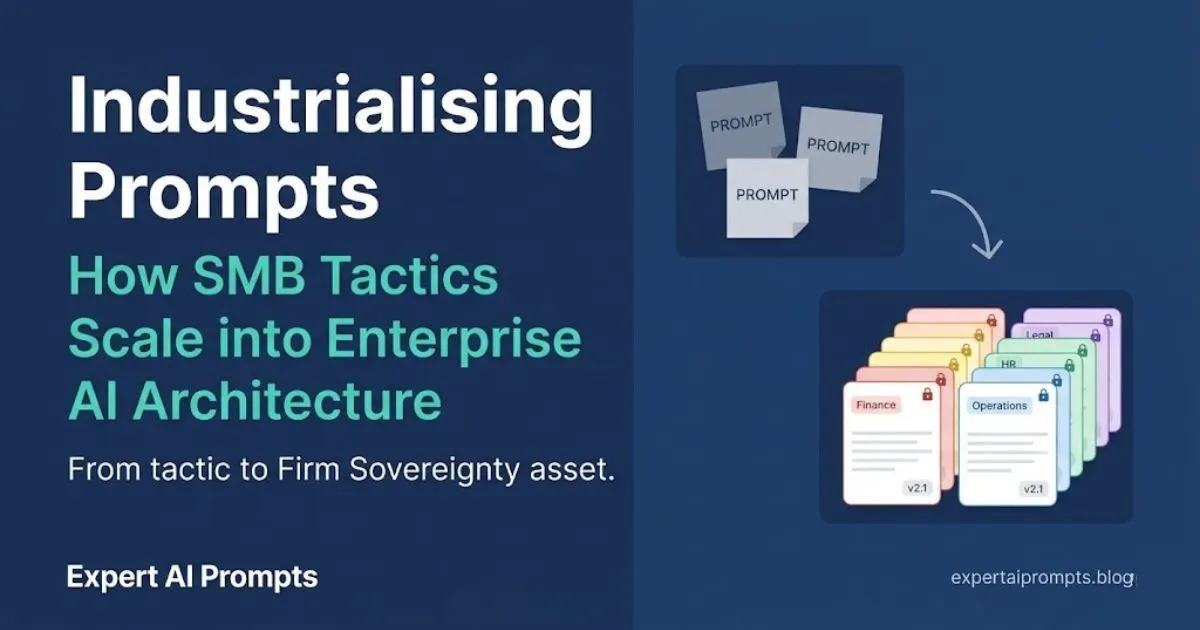
Build Your Prompt Library
Every time you create a prompt that delivers a great result, save it.
Create a simple Google Doc or Notion page. Paste the prompt there. The next time you need to write a newsletter, don't start from scratch. Go to your library, grab the "Newsletter Generator" prompt you built, and run it again.
Over time, this library becomes a tangible business asset. It is a playbook that allows you to produce consistent, high-quality work in a fraction of the time.
Scale Without Hiring
This is where Alex Rivers (that’s you) transforms from an overworked solopreneur to a business owner. With a robust library of prompts and a clear workflow, you can eventually hand these systems off to a virtual assistant or a junior employee.
Instead of paying a senior strategist to write your content, you can have a junior staff member use your Expert AI Prompts to generate the first draft, ensuring the quality remains high while your costs stay low.
Conclusion: Your Competitive Advantage
The window of opportunity is open. Right now, adopting AI for beginners is a massive competitive advantage. In two years, it will just be "the way business is done."
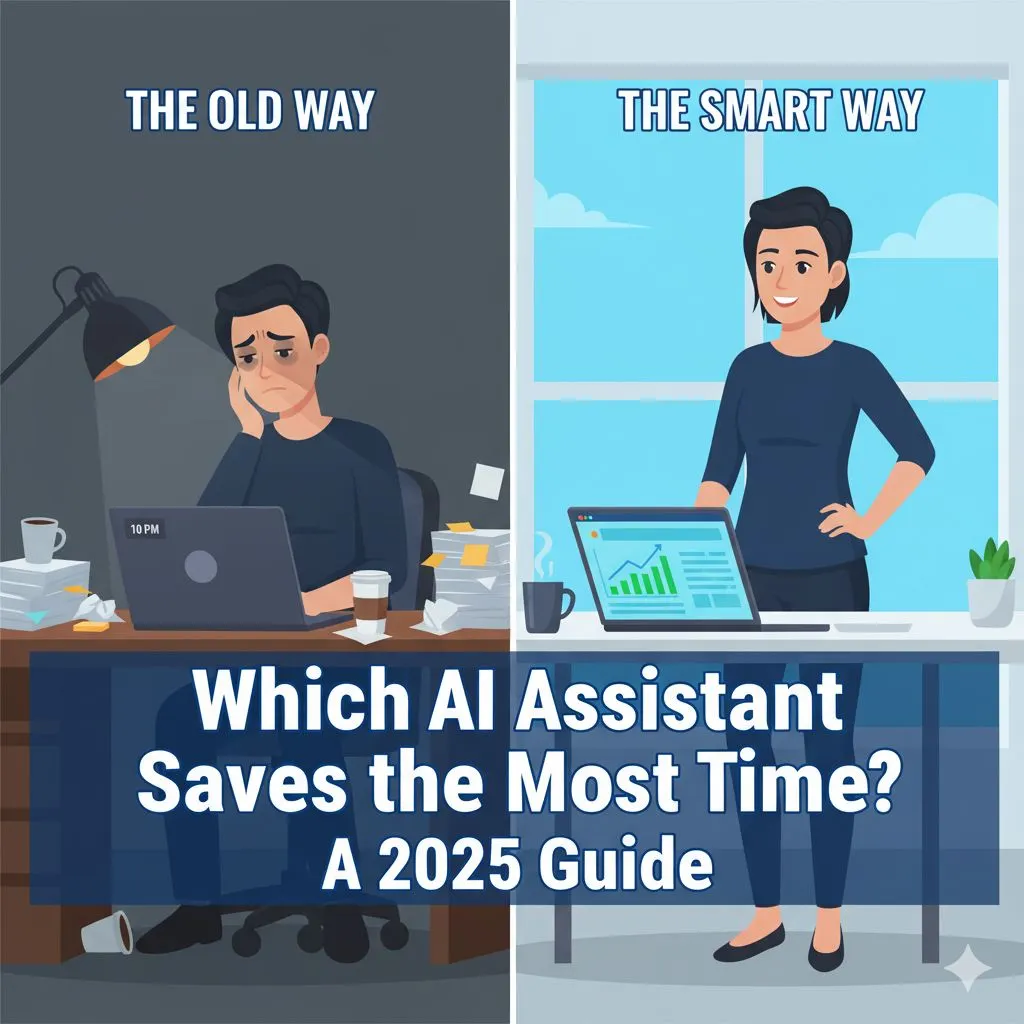
You have a choice. You can continue the hustle, wearing every hat and burning the candle at both ends. Or, you can embrace these tools, reclaim your time, and build a business that runs efficiently and scales effortlessly.
AI isn't about robots taking over. It's about you taking charge. When you’re ready to go beyond basics, browse all 30 industry-specific prompt packs and choose the pack built for your industry.
Ready to stop guessing and start scaling?
You don't need to spend months learning prompt engineering through trial and error. We have done the heavy lifting for you.