The 10-20-70 Rule: Why AI Fails When You Ignore Your Workforce
The 10-20-70 Rule: Why AI Fails When You Ignore Your Workforce
Apr 26, 2026

Introduction
We are currently operating in an era defined by a massive, uncomfortable gap between theoretical AI ambition and actual executive readiness. Across boardrooms globally, C-suite leaders are approving unprecedented budgets for artificial intelligence. Yet, despite these massive corporate investments, the returns remain highly uneven. If you look closely at the enterprise landscape, a staggering 78% of organizations have AI pilots running, but a mere 14% have successfully scaled these initiatives into production. Even more alarming, more than half report absolutely no financial impact on their Profit and Loss (P&L) statements despite broad organizational adoption.
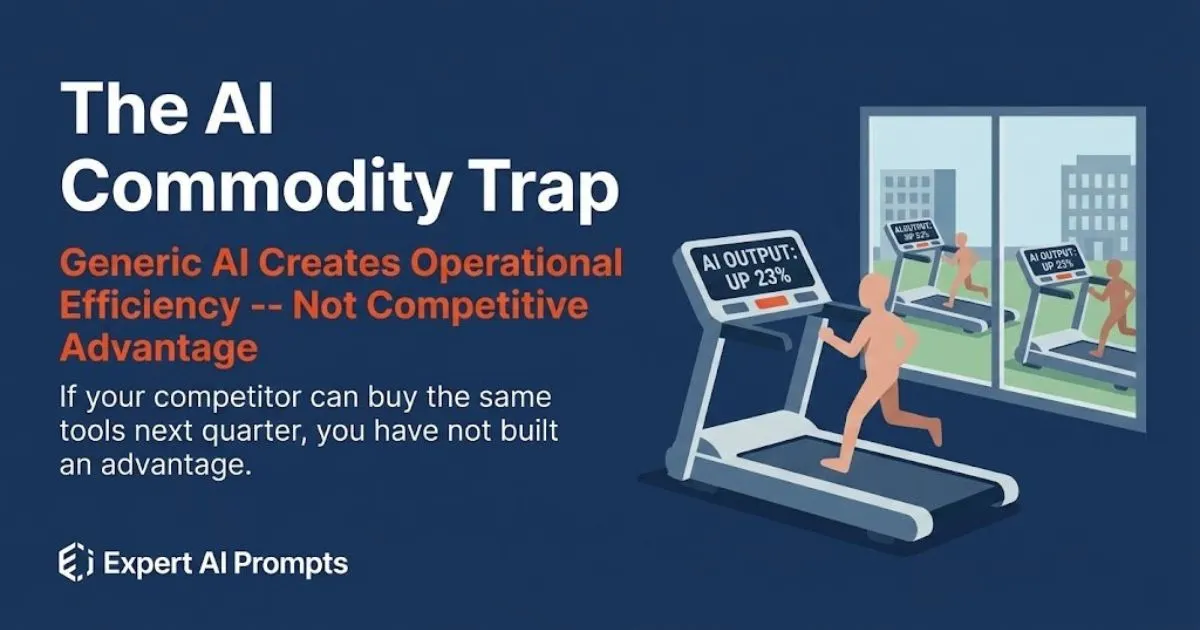
You are likely feeling this "pilot fatigue." You are investing heavily in the promise of AI—seeking double-digit Earnings Per Share (EPS) growth and massive leaps in revenue per worker—only to find your teams trapped in disjointed, highly technical initiatives that fail to move the needle. The uncomfortable truth is that if every enterprise possesses the exact same generic AI capabilities, competitive advantage can no longer be derived simply from licensing an AI tool.
To bridge this gap and turn commoditized technology into a defensible corporate moat, executives must embrace a fundamental framework of change management: The 10-20-70 Rule.
Decoding the 10-20-70 Rule in Enterprise AI
When enterprise AI initiatives fail to deliver measurable financial and operational returns, leaders instinctively blame the technology. They assume the model was flawed, the data was unstructured, or the integration was too complex. In reality, the breakdown almost always occurs in the human layer. The 10-20-70 rule breaks down successful AI deployment into three distinct categories of effort and investment.
The 10%: Algorithms and Models
Only 10% of the effort in a successful AI deployment is about the actual algorithms. In today's market, foundational models are largely commoditized. Whether you are using open-source models or proprietary enterprise APIs, the raw cognitive engine is readily available to both you and your competitors. Obsessing over this 10% yields diminishing returns.
The 20%: Technology and Infrastructure
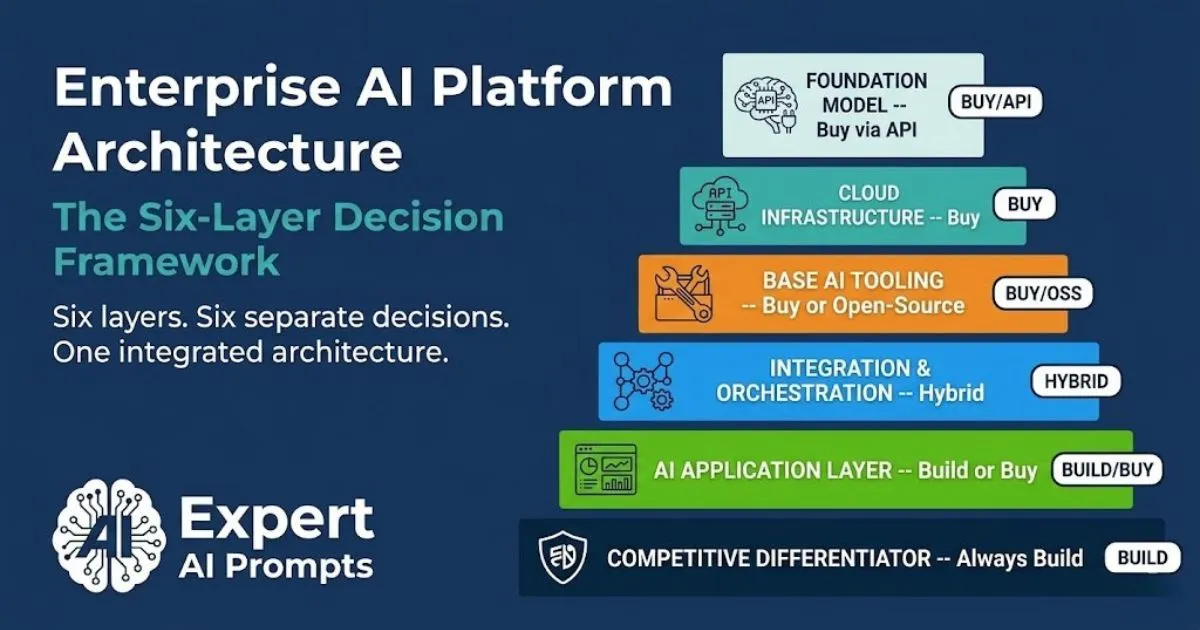
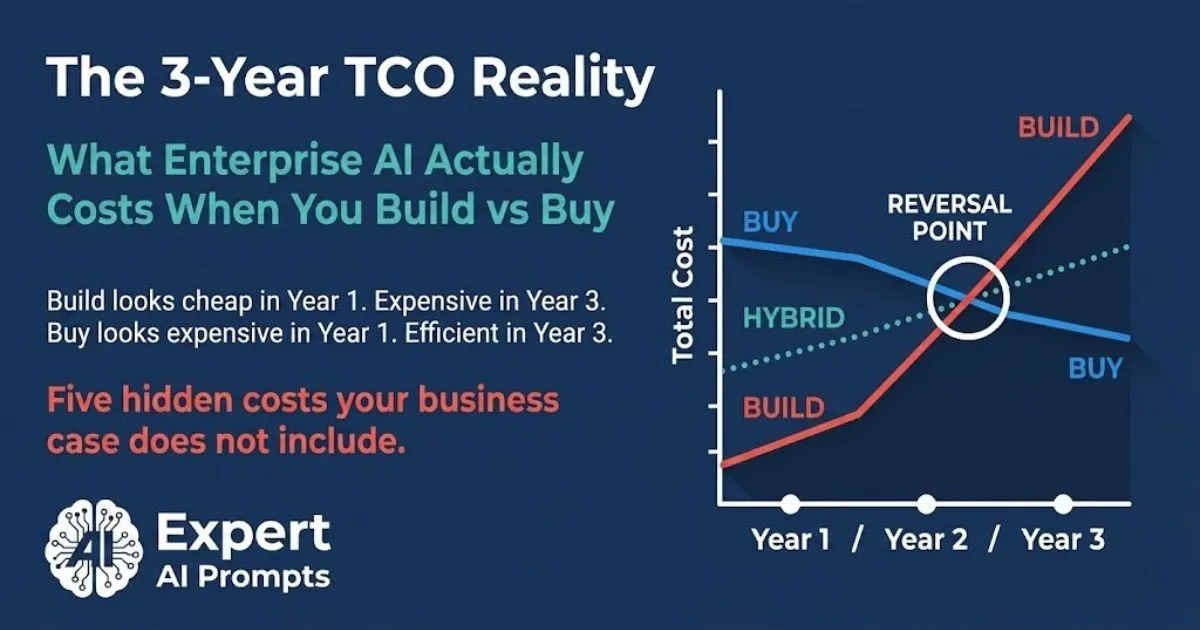
Another 20% involves the underlying technology infrastructure, data pipelines, and systems integration. This is where your Chief Information Officer evaluates the "buy vs. build" architecture to balance compute costs, speed to market, and proprietary data protection. While vital, this infrastructure simply sets the stage. It is the plumbing, not the profit generator.
The 70%: Business Process and ai workforce transformation
The remaining 70% of the effort—and the true differentiator for enterprise success—is business process reimagination and change management. This is where AI succeeds or fails. It is the critical phase of aligning cross-departmental teams, retraining employees, flattening organizational structures, and managing the profound shift in how daily work is executed. If you ignore this 70%, your 30% investment in algorithms and infrastructure will become a sunk cost.
Cultural Debt: The Silent Killer of AI ROI
When executives hyper-focus on the 30% (the tech and the models) while ignoring the 70% (the people), they begin to accumulate "cultural debt." Cultural debt is the organizational friction that builds up when technological capabilities outpace workforce adaptability. It manifests as employee anxiety, quiet resistance, and a fundamental misunderstanding of how AI should integrate into daily workflows.
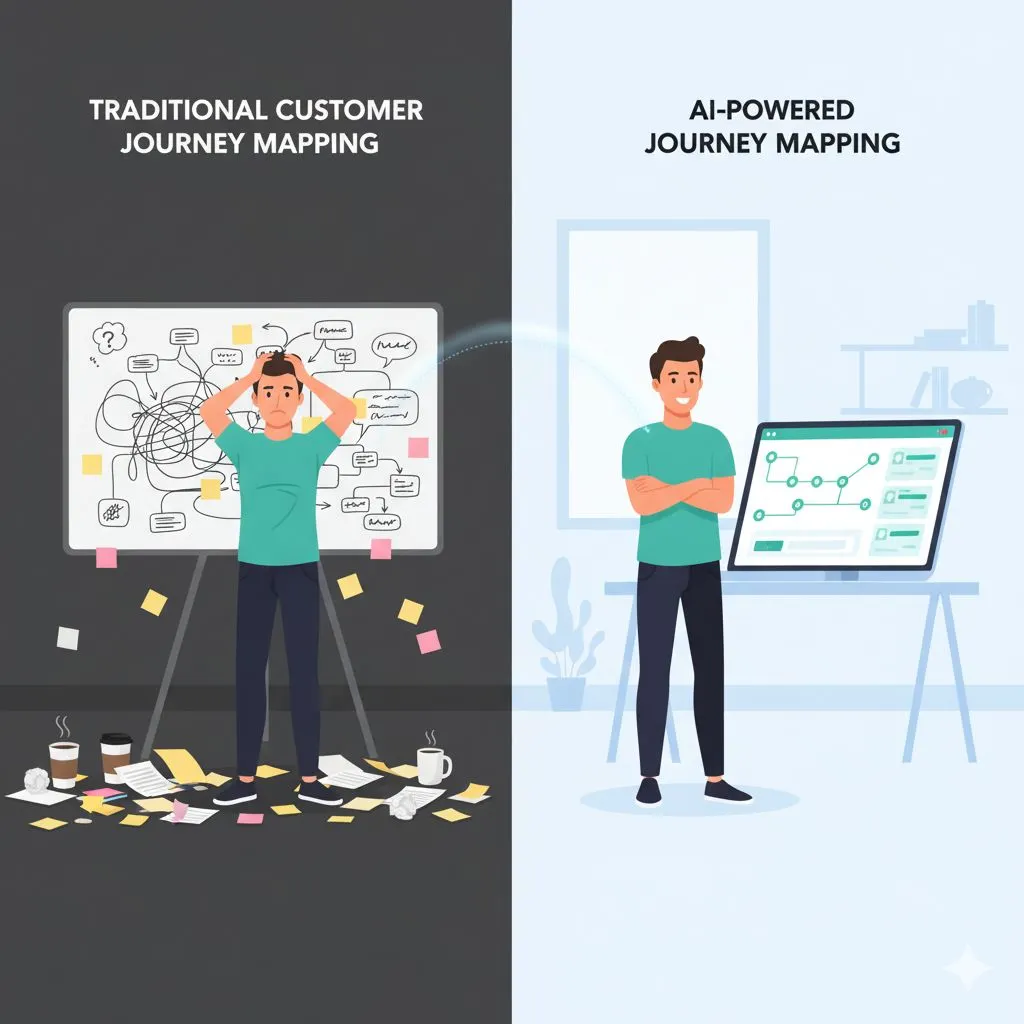
Currently, many organizations are making the critical error of simply layering AI onto legacy processes. They are trying to speed up broken systems rather than reimagining jobs holistically. When you hand an advanced AI tool to an overworked employee without proper structuring, training, or process redesign, you do not create a 3x higher growth in revenue per worker. Instead, you create a bottleneck of confusion.
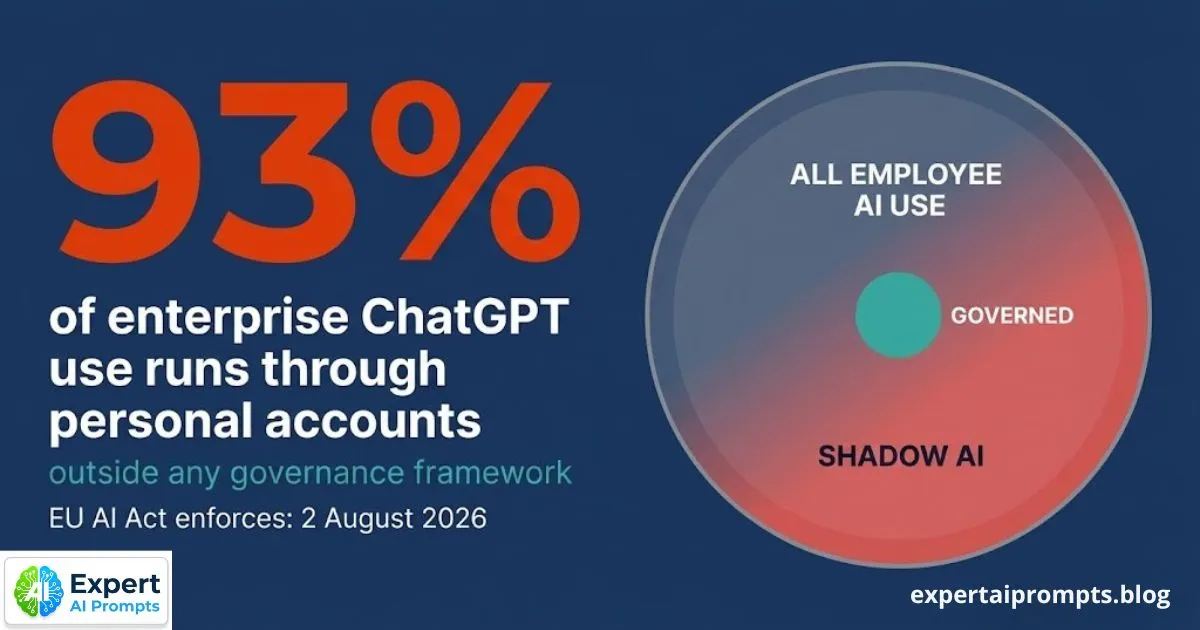
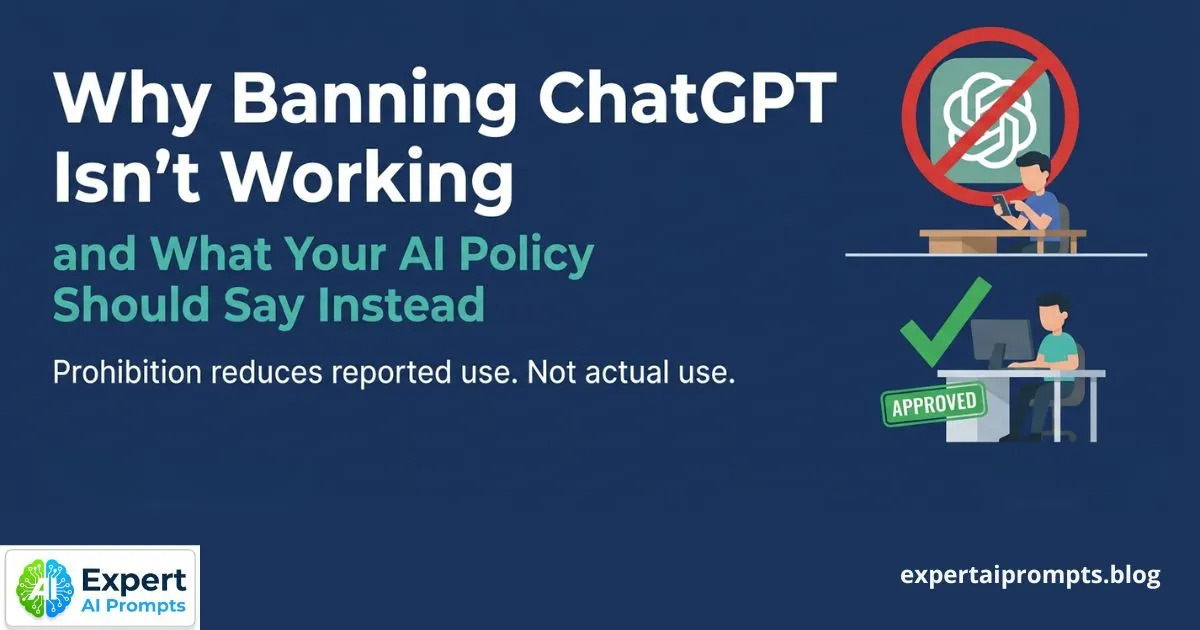
This lack of structured ai workforce transformation leads to severe operational risks. Foremost among them is the rise of "shadow AI"—where well-meaning employees use unsanctioned, consumer-grade AI tools to get their jobs done. This circumvents corporate governance and instantly exposes the enterprise to algorithmic bias, data privacy violations, and non-compliance with impending global regulations like the EU AI Act.
Furthermore, workforce anxiety is a tangible barrier to margin expansion. When employees fear that AI is a blunt instrument designed purely for headcount reduction rather than a tool for operational leverage, adoption stalls. They revert to manual, inefficient habits. To eliminate cultural debt, executive leadership must step in. You cannot rely on technical teams to manage human transitions. You need rigorous, outcome-focused change management that validates workforce concerns while firmly guiding them toward a new, AI-augmented operational reality.
Govern and Scale: Moving from Sandbox to P&L Impact
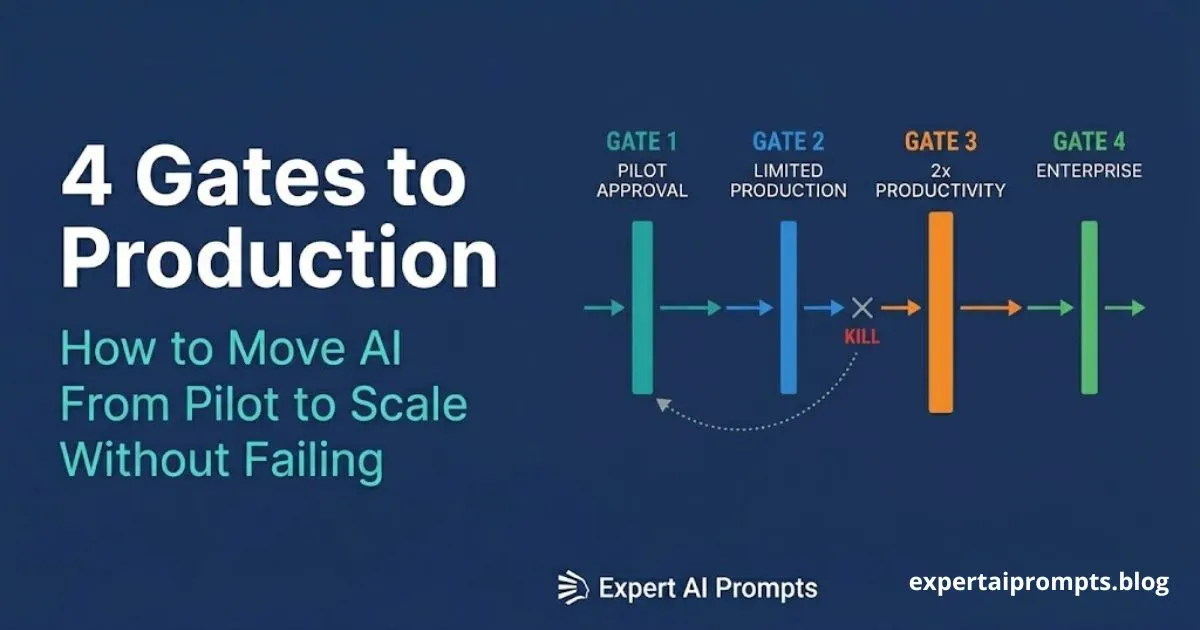
Transitioning out of pilot purgatory requires a ruthless, disciplined approach to portfolio management. The era of funding purely experimental, "sandbox" AI projects must end. If an AI initiative cannot demonstrate a direct, transparent path to P&L impact, it should not exist in an enterprise environment.
To achieve this, C-suite leaders and AI Strategy Leaders must implement a rigid AI Portfolio Matrix. This matrix must include clearly documented "kill criteria." If a pilot fails to meet specific unit economic thresholds—such as a defined reduction in operational expenditure per transaction or a measurable increase in speed-to-market—funding must be decisively cut. This discipline prevents the slow bleed of capital into disjointed tech experiments and refocuses the organization on enterprise-wide, governed deployments.
Governance is not merely an internal mechanism; it is an external necessity. With shifting global regulations, demonstrating transparent oversight over how your workforce uses AI is a legal imperative. Board members and shareholders are rightfully asking, "How do we know this isn't just a reactive measure to satisfy market pressure?" The answer lies in clear executive reporting. You must demand consolidated ROI dashboards that track the financial impact per dollar of AI investment, alongside compliance metrics that prove your data and algorithms are secure and unbiased at scale.
But governance cannot be so rigid that it stifles innovation. The goal is to flatten organizational structures and streamline workflows so AI can execute end-to-end securely. You must balance the need for speed and efficiency with the non-negotiable requirements of ethical governance and data protection. This is where standardized frameworks become the linchpin of successful ai workforce transformation.
Empowering the Workforce: Structured Solutions Over Blank Slates
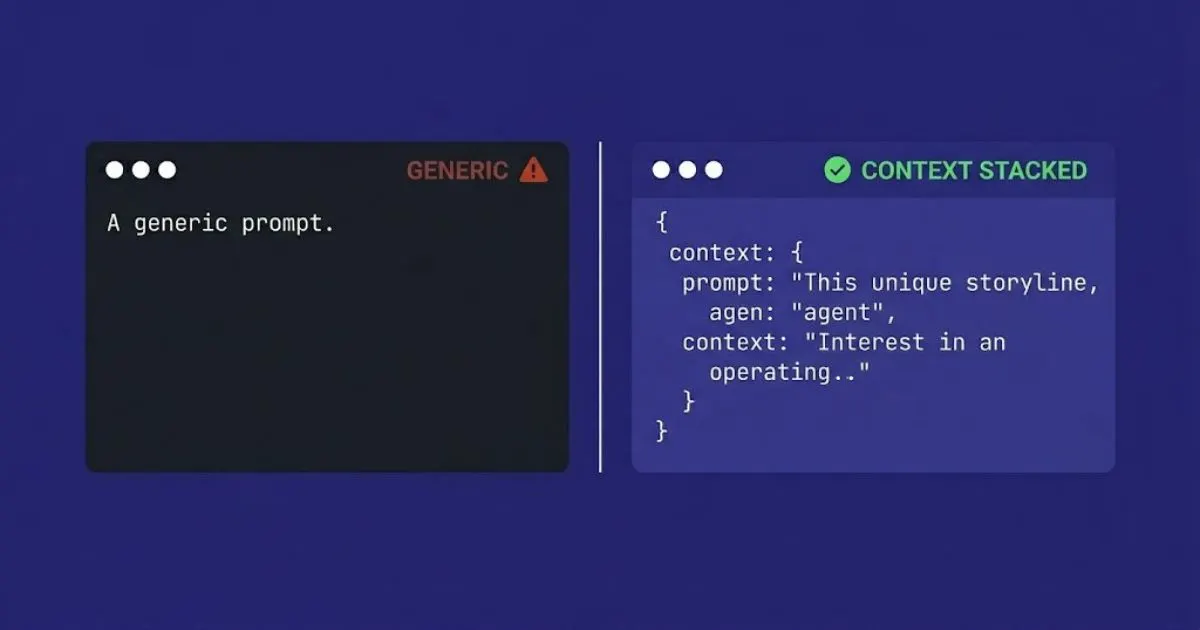
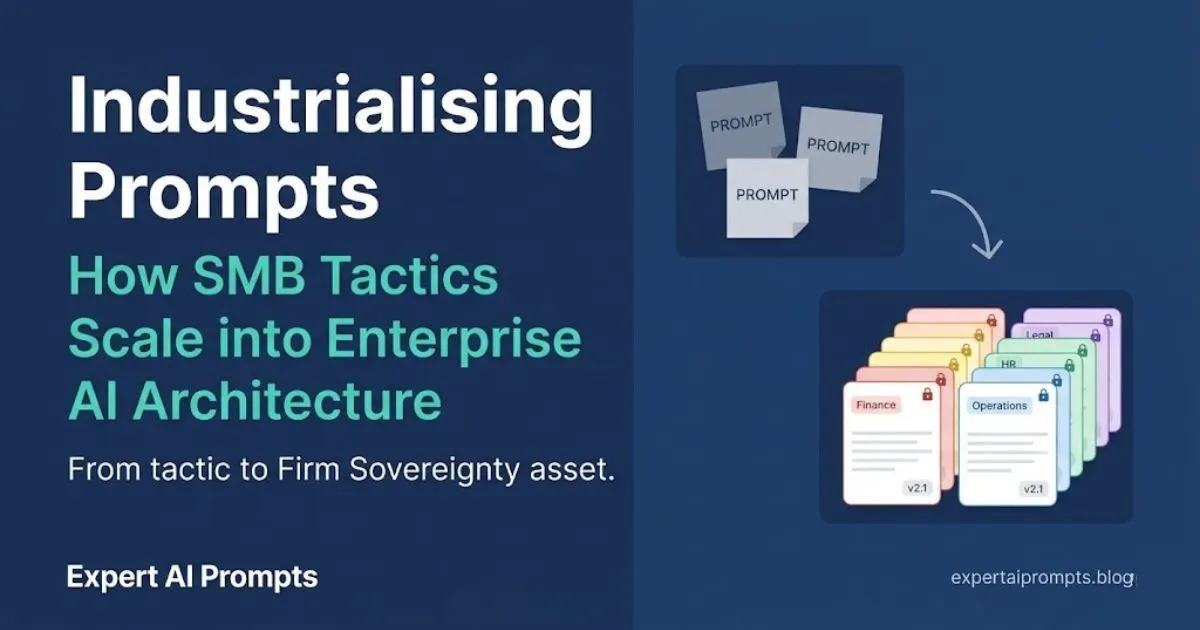
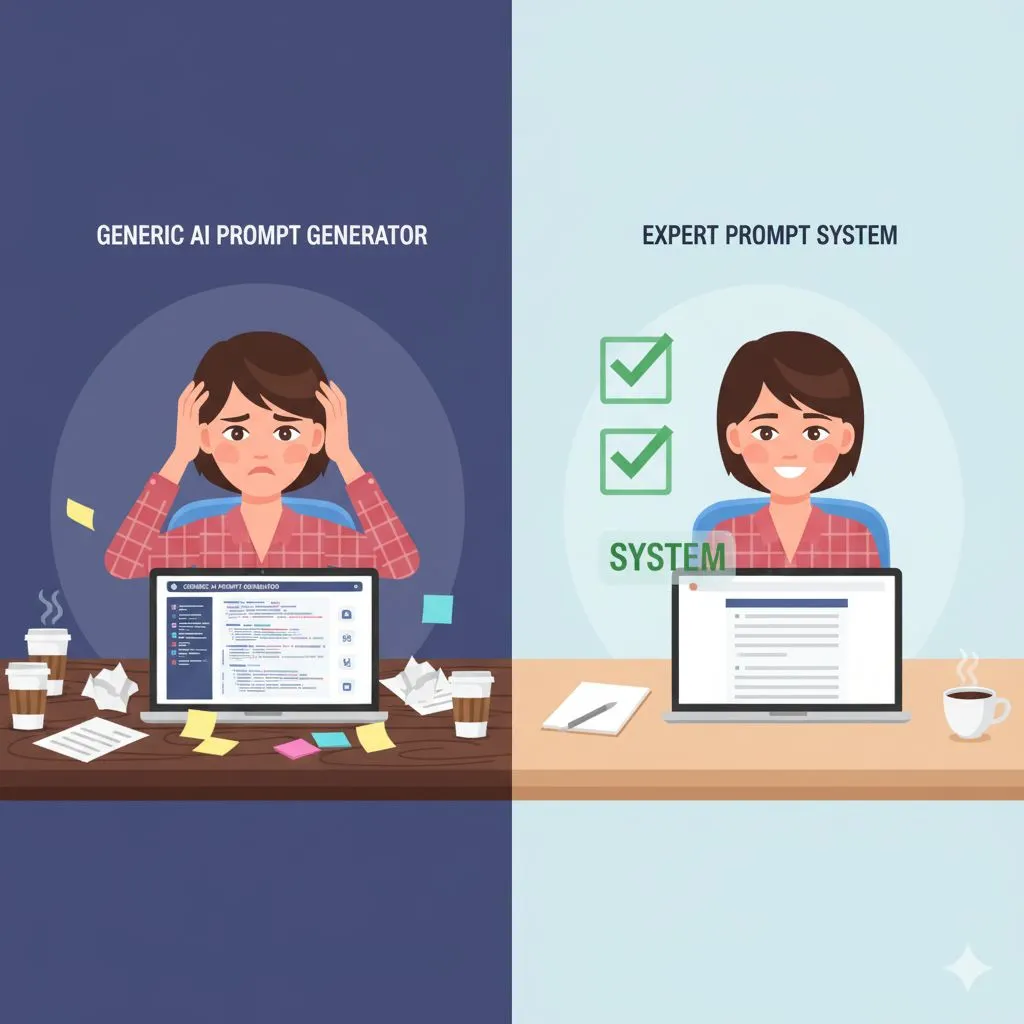
The most practical step to securing the 70%—your workforce transformation—is providing your teams with structured leverage. One of the primary reasons AI fails at the user level is the "blank canvas problem." Asking an employee to suddenly become an expert prompt engineer while maintaining their daily workload leads to inconsistent outputs, frustration, and wasted time.
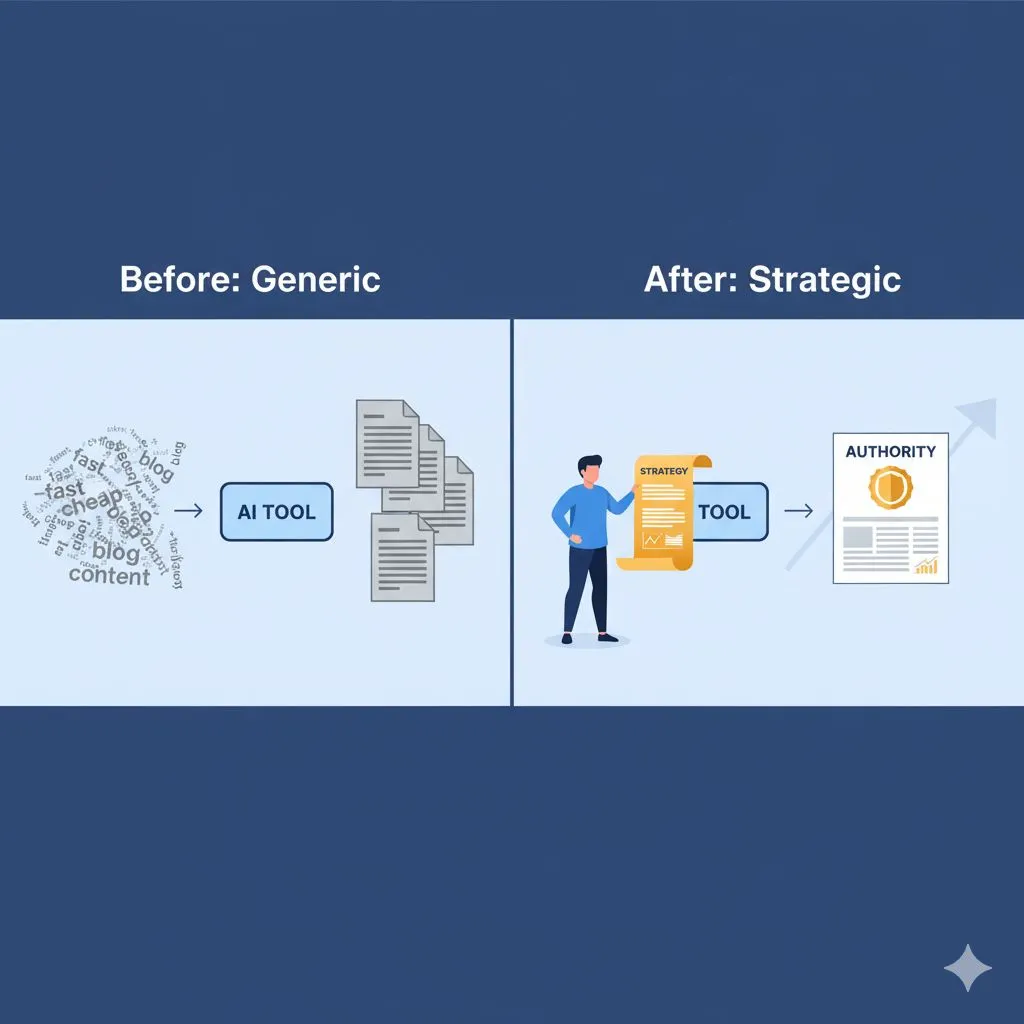
This is where integrating a standardized, strategy-led framework like Expert AI Prompts completely alters the trajectory of your deployment. By providing your teams with pre-built, industry-specific prompts tailored for your exact operational needs, you eliminate the trial and error that plagues early AI adoption. You transition your workforce from overwhelmed operators staring at a blinking cursor into confident strategists.
Expert AI Prompts are built with enterprise strategy at their core. They are not generic copy-and-paste templates; they are ROI-driven toolkits designed to ensure that the content and data your teams generate are consistently high-quality, professional, and aligned with your brand’s credibility. By standardizing the inputs, you standardize the excellence of the outputs. This streamlines workflows, breaks through operational bottlenecks, and fundamentally reduces the cultural debt associated with AI onboarding.
When your employees have the exact blueprints they need to execute tasks flawlessly, you achieve the short-term efficiency and the long-term competitive advantage required to hit your aggressive EPS targets.
Conclusion
Artificial intelligence will not automatically modernize your enterprise; your people will, provided they have the right leadership and the right tools. If you continue to treat AI solely as an IT initiative, you will remain trapped in the 80% of companies failing to capture its economic value.
Mastering the 10-20-70 rule means recognizing that the models and the tech are just the beginning. The true battleground for margin expansion and competitive advantage lies in ai workforce transformation. By mandating transparent governance, enforcing ruthless portfolio management, and empowering your teams with structured tools like Expert AI Prompts, you can finally close the gap between theoretical AI ambition and actual P&L impact.
Stop layering technology over broken processes. Reclaim your operational efficiency and ensure your organization is truly prepared for the next era of enterprise growth.
Take the next step in evaluating your organization's maturity. Assess your operational readiness and discover how to transition from pilot purgatory to scalable ROI today: https://expertaiprompts.com/ai-readiness-quiz